Energy
Faster, hotter, and drawing more power
5G components and high-power antennas produce more heat, and summer temperatures above 38°C add further stress.

CHALLENGES
A base station is no longer only a tower that sends a signal. It is a core node that carries AI computing and the Internet of Things, and energy storage has moved up from a standby battery to infrastructure for resilience.
Energy
5G components and high-power antennas produce more heat, and summer temperatures above 38°C add further stress.
Fire Protection
Water is hard to obtain on a rooftop, a lithium-battery fire can reignite, and nearby residents may object strongly.
O&M
In cabinets with limited ventilation and at mountain sites, battery life shortens and inspection staff are stretched.
Operations
A network outage affects revenue and brand reputation, and a fire is a social responsibility that cannot be borne.
WHY IMMERSION
| Comparison Items | Lead-acid Batteries | Air-cooled Lithium Batteries | Full-immersion cooling (ETICA) |
|---|---|---|---|
| High-temperature Environment | Service life shortens sharply | Shorter life, limited heat dissipation | Uniform temperature, maintaining stable operation |
| Thermal Runaway Risk | — | Internal thermal runaway can trigger a chain reaction | Dielectric fluid removes heat and shuts out oxygen |
| Rooftop and community installation | Large size and weight | High concern over fire safety and nearby residents | Smoke and fire protection design to lower risk |
APPLICATIONS

ESG & GRID
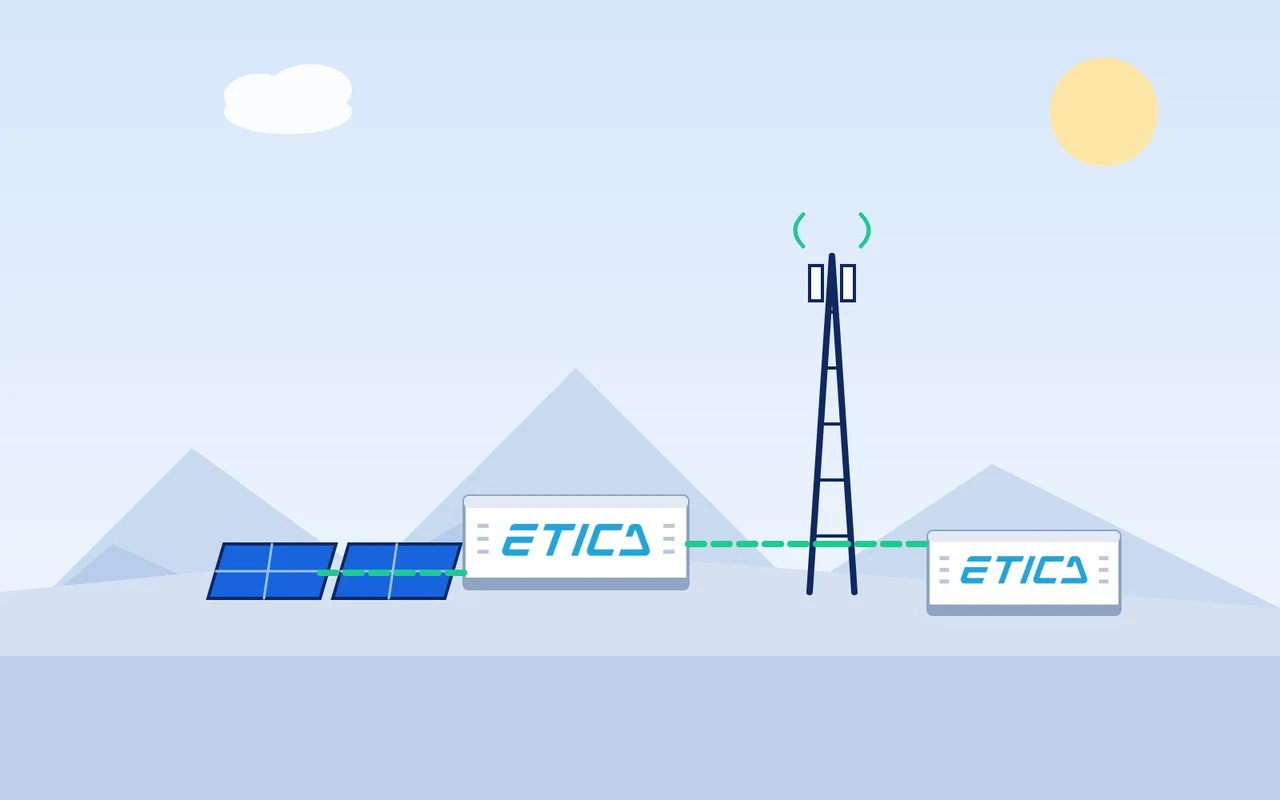
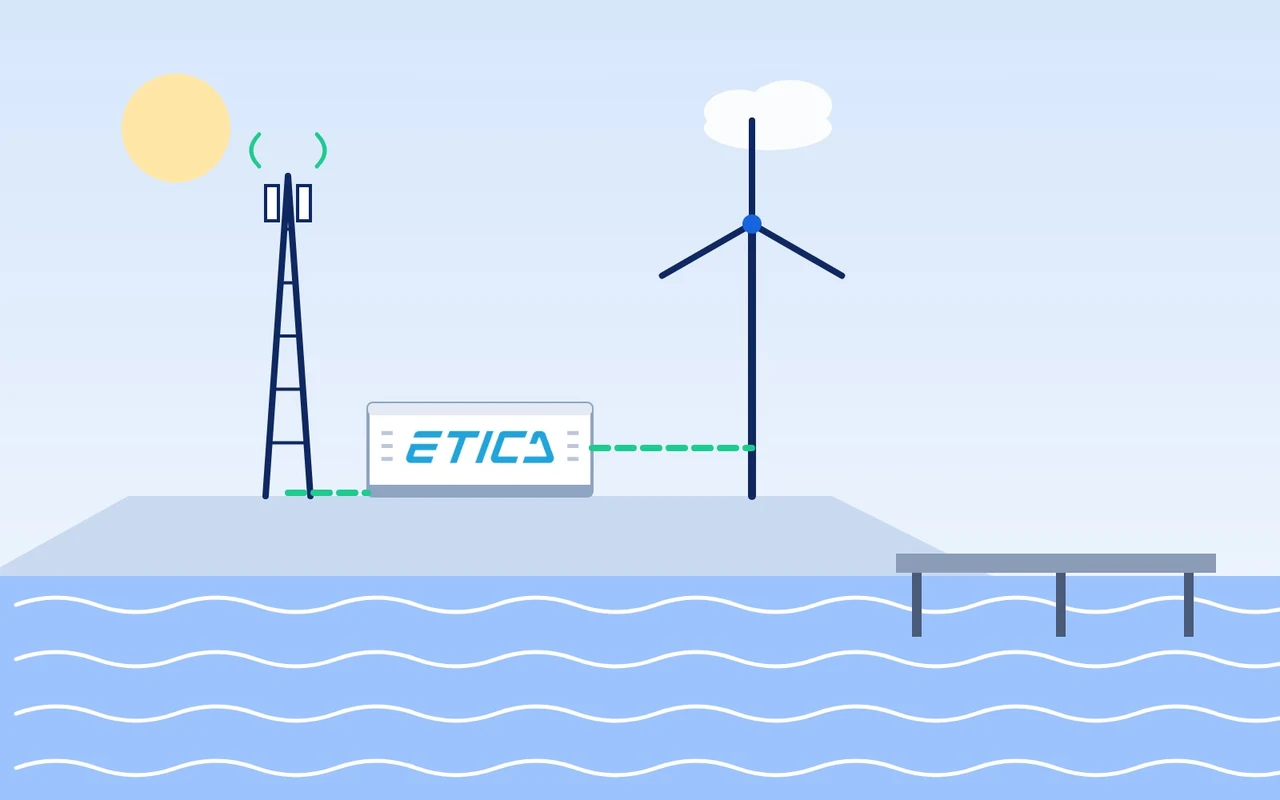
Solar power is combined with energy storage, with a design target that a base station can operate independently for more than 72 hours during a disaster or when roads are cut.
Charging at off-peak rates and discharging for self-use at peak times reduces reliance on the grid. In the future, this may be brought together as a virtual power plant (VPP).
High-efficiency cooling lowers the equipment's own energy use and reduces air-conditioning use, supporting the carbon inventory.
Tell us about the site and how electricity is used, and we will help assess the most suitable capacity and configuration.