Skip to Main Content

Microgrid Applications

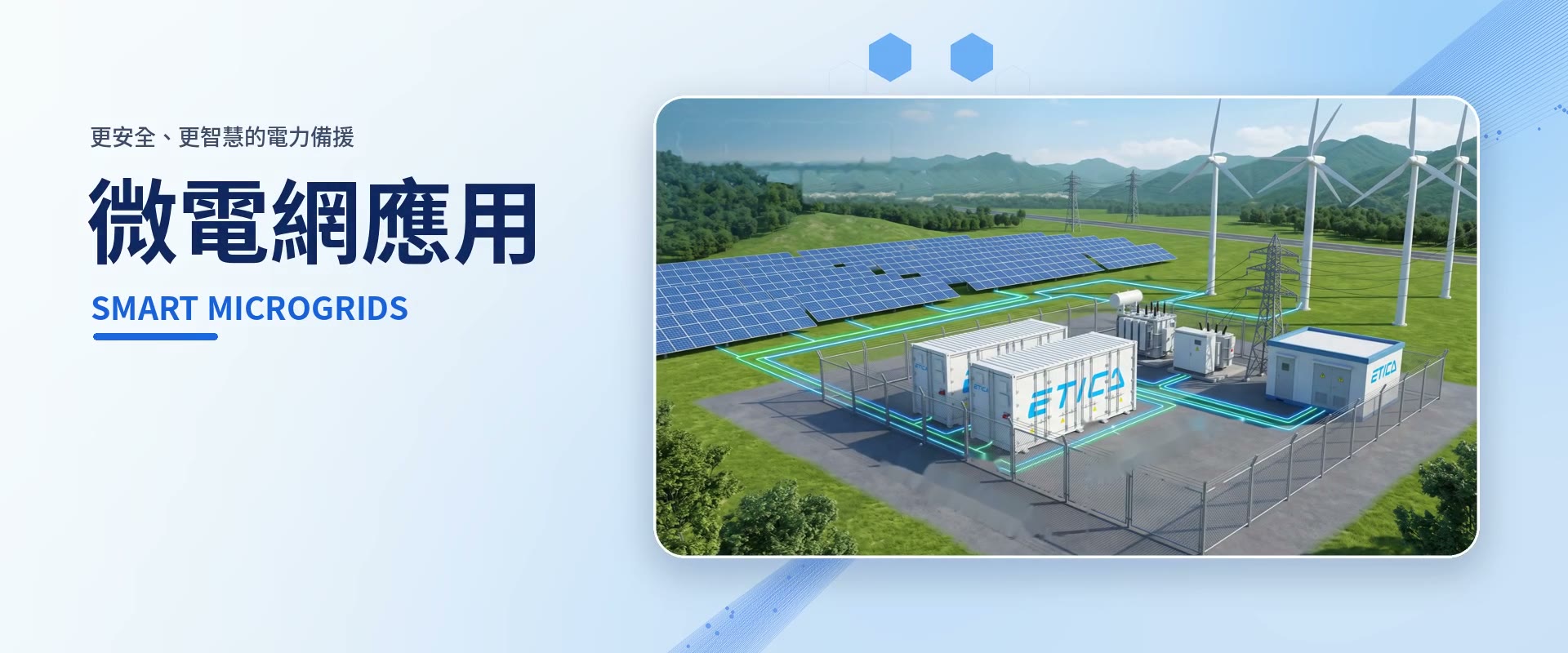
Microgrid application key visual

ARCHITECTURE

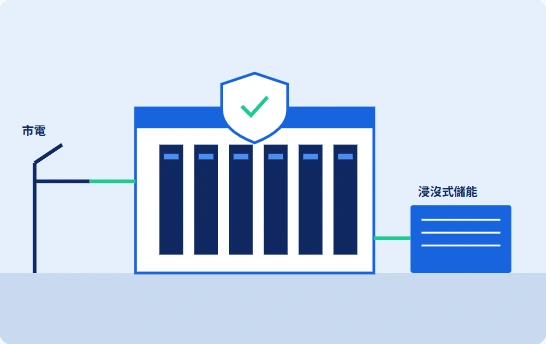
Microgrid architecture: how energy flows

Grid power and renewable energy are integrated, buffered by immersion energy storage, and dispatched by the EMS to each load.

  1. Energy Source

    Utility power, solar, and wind

  2. Immersion Energy Storage

    LiquidShield full-immersion cooling, off-peak storage and peak discharge

  3. Energy Brain

    EMS intelligent dispatch, energy situation room, and cross-site monitoring

  4. Load

    Production lines, equipment rooms, and facilities

VALUES

Three Values

Safe energy storage, immersion cooling

Cells are immersed in a non-conductive coolant to reduce the risk of a cascading thermal-runaway reaction. Applicable energy storage systems are validated under the UL 9540A test method, and site design must follow codes such as NFPA 855 within their scope.
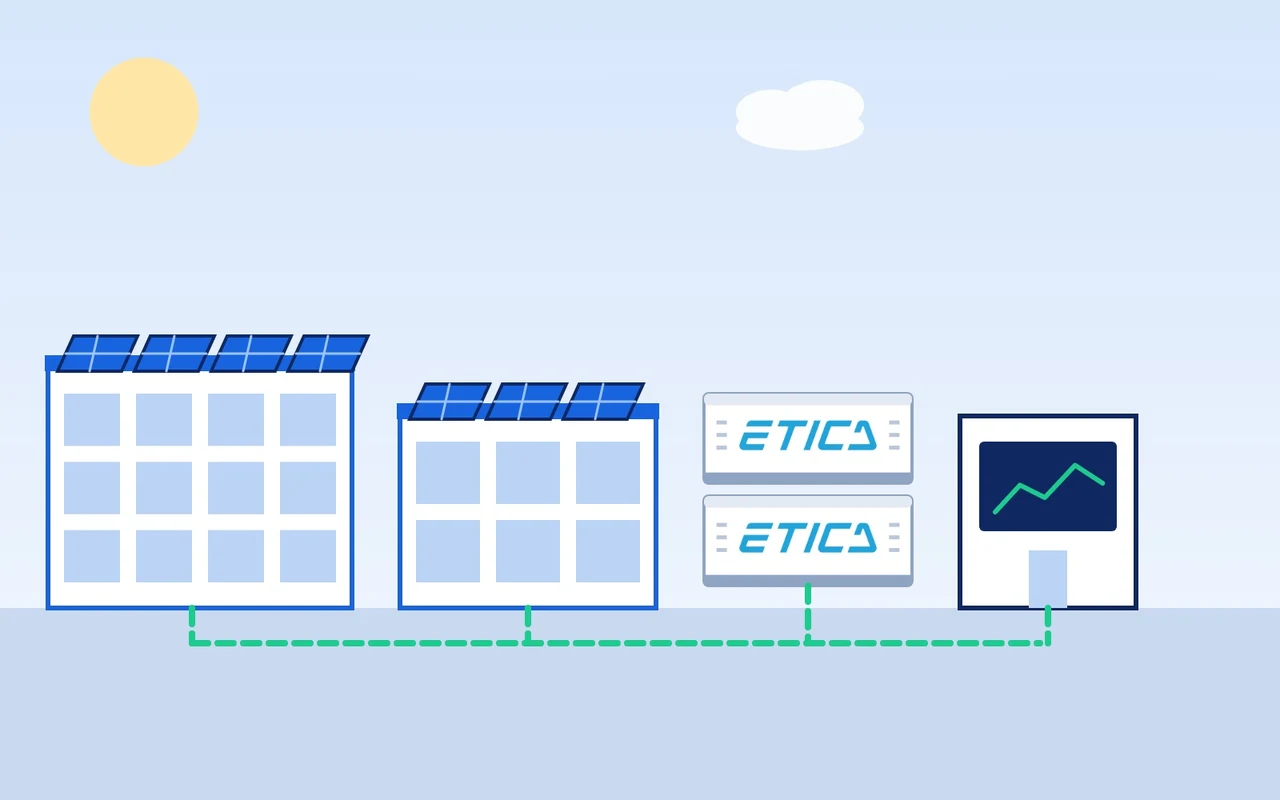
Smart dispatch, peak shaving and valley filling

Stores energy off-peak and dispatches it at peak, while the energy command center tracks energy use and flows across sites in real time.

Independently controllable cyber resilience

Researched, developed, and manufactured in Taiwan (MIT), together with international materials suppliers and domestic power-supply manufacturers, to make the supply chain more trustworthy.

APPLICATIONS

Different applications, different configurations

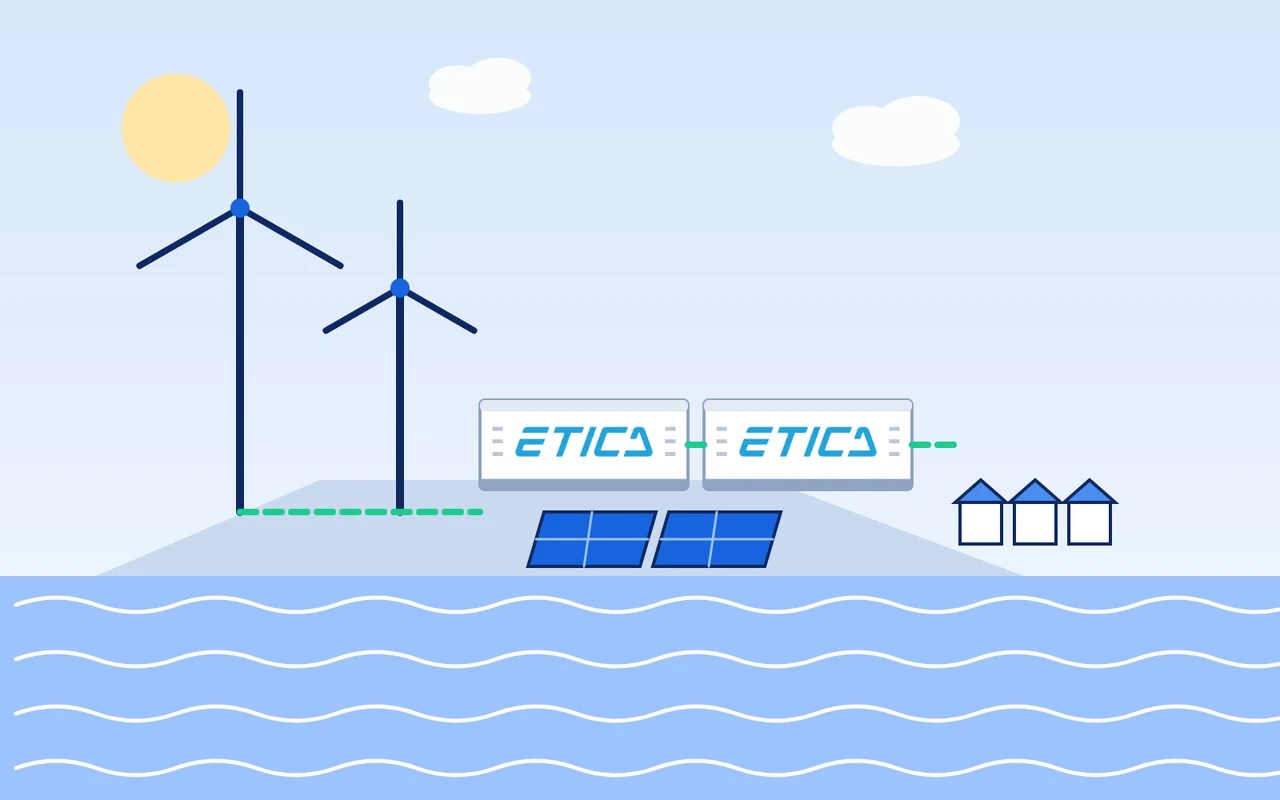
Offshore Island and Remote Area Diagram

Offshore islands and remote areas

Site Challenges
Few people, long distances, and time-consuming inspection, with many assets across dispersed sites. High salt spray, typhoons, and extreme temperature and humidity affect equipment life. Local wind and solar power need to be integrated to strengthen grid resilience.
The ETICA approach
Sealed immersion cooling holds a stable temperature. The EMS, remote monitoring, and predictive maintenance reduce the need to be on site. Paired with wind and solar generation, output is smoothed and peaks are shaved while valleys are filled.

PROCESS

Implementation Process

  1. Energy Inventory

    Load curves and critical loads.

  2. Architecture Design

    Microgrid and grid-connection planning.

  3. Equipment and EMS Deployment

    Energy storage and management platform.

  4. Grid-connection and cybersecurity verification

    Testing and acceptance.

  5. Command center monitoring and optimization

    Ongoing dispatch and maintenance.

Book your site assessment

Tell us about the site and how electricity is used, and we will help assess the most suitable capacity and configuration.

Site and contact details

Fill in at least one of phone or email.