Installation site and regulations
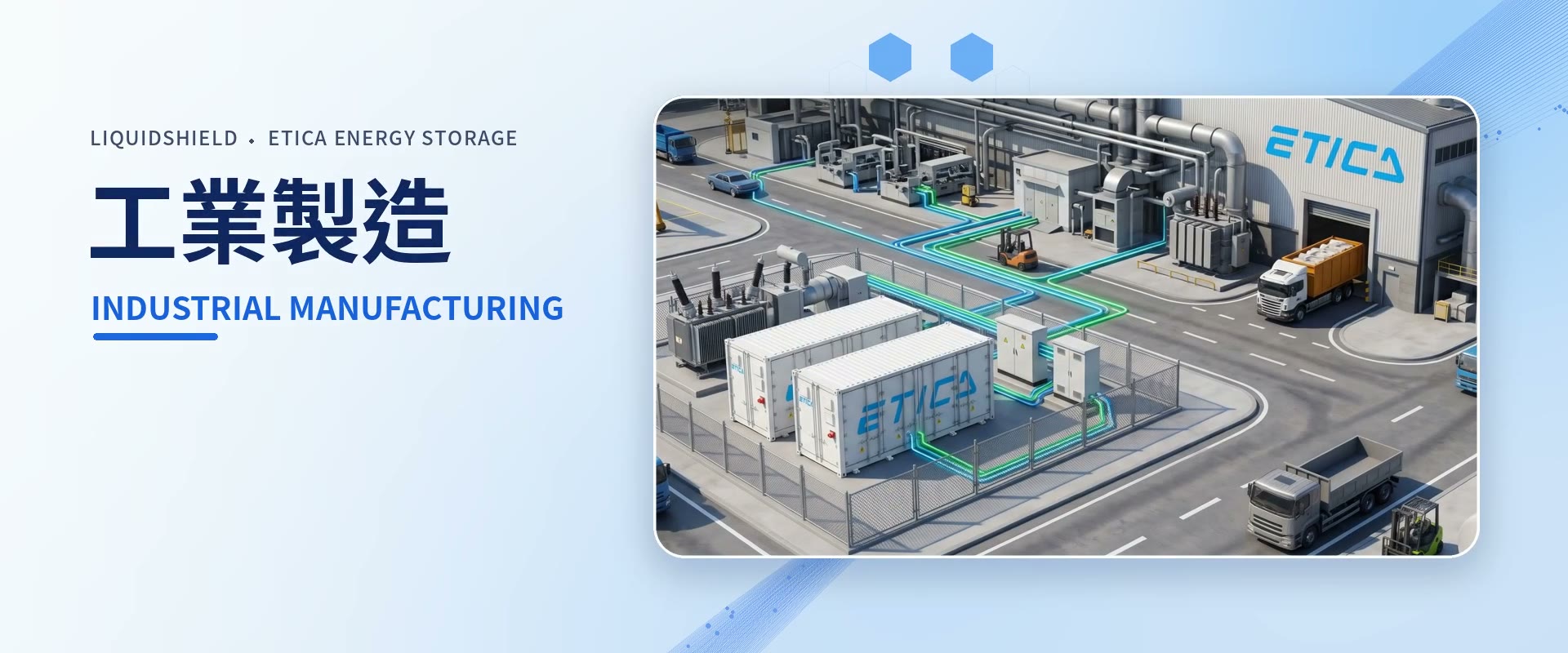
Siting of grid-connected energy storage must consider conditions such as an industrial park, a science park, or a lawful plant, and must meet fire-safety and applicable standards.
CHALLENGES
Siting of grid-connected energy storage must consider conditions such as an industrial park, a science park, or a lawful plant, and must meet fire-safety and applicable standards.
Fire risk in energy storage has tightened underwriting, and failure to obtain full coverage can affect financing.
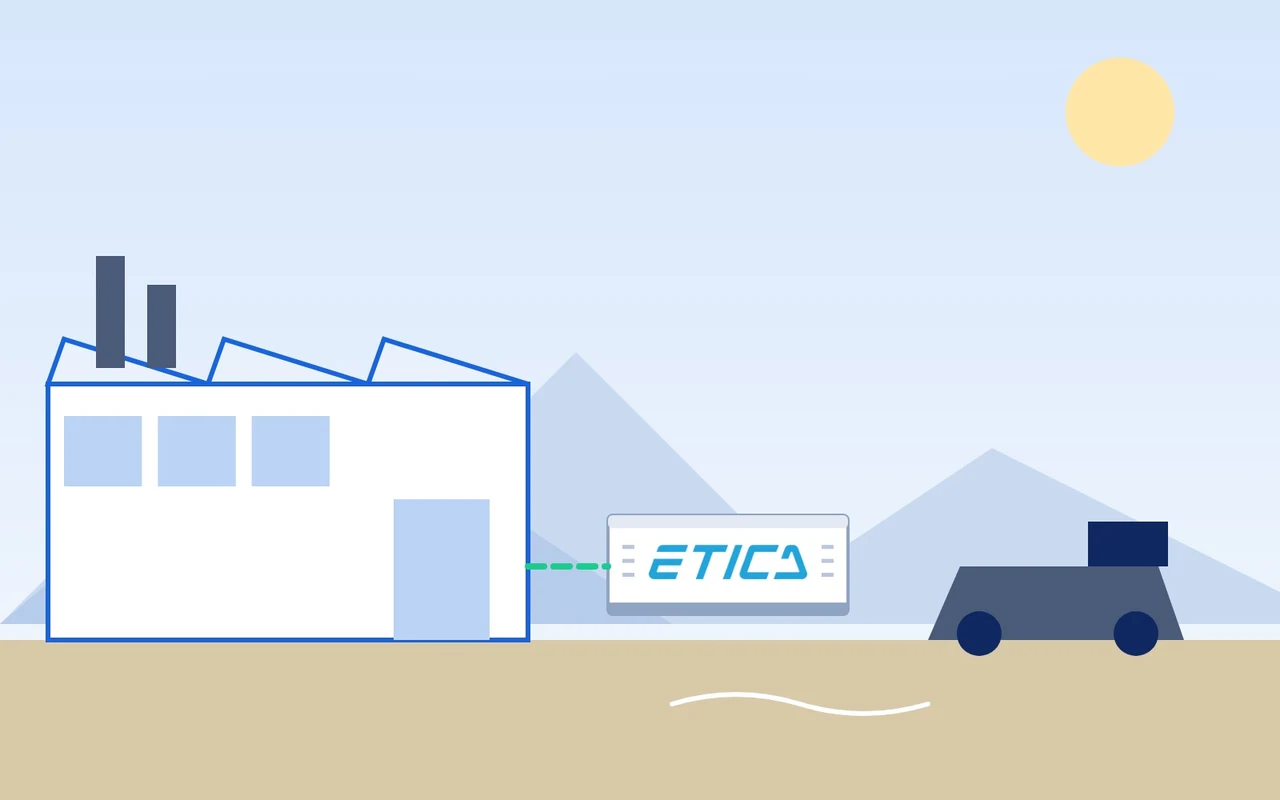
High temperature, dust, low temperature, and high altitude affect equipment life and stability.
The scale is large and the equipment extensive, so systematic monitoring and periodic inspection are required.
VALUES
Cells are immersed in a non-conductive coolant for heat exchange over the full surface, isolation from oxygen, and suppression of thermal propagation.
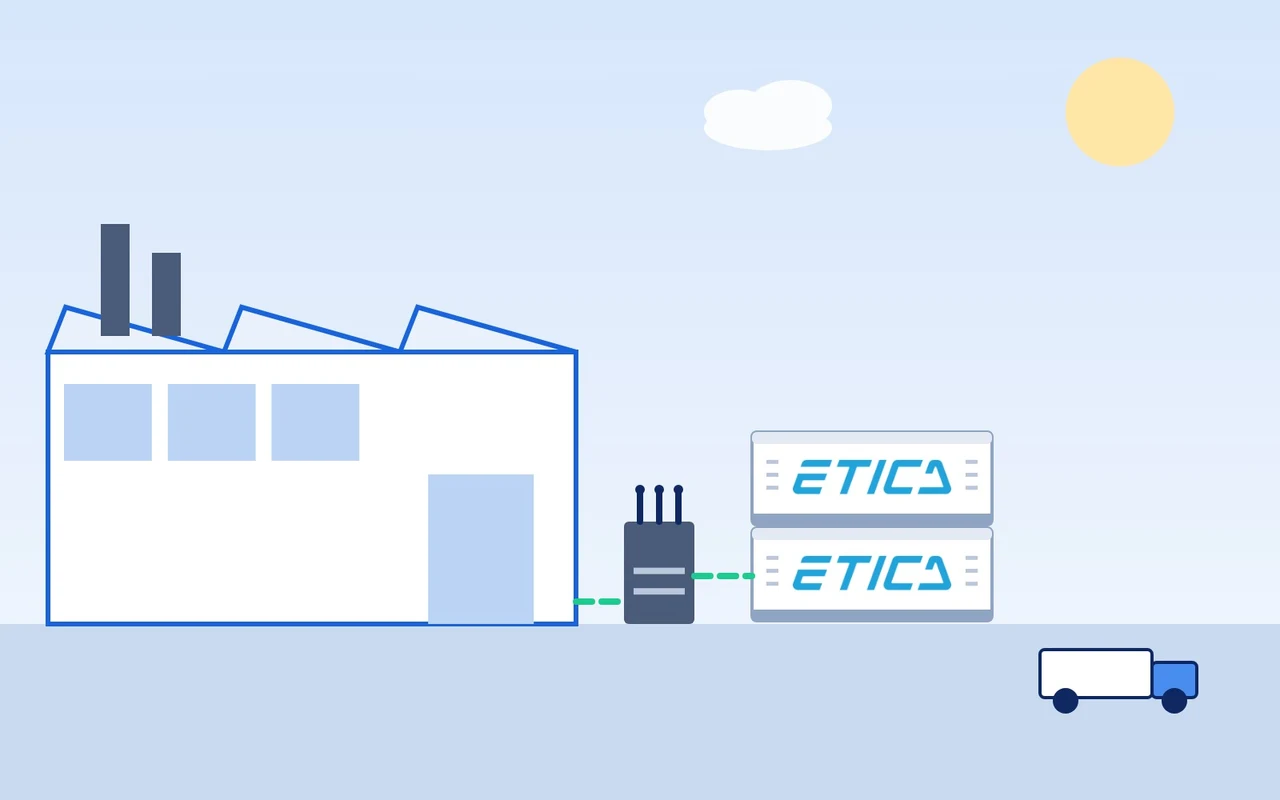
Installed beside the plant for backup and peak shaving and valley filling, and paired with existing power facilities.
EMS and remote monitoring support predictive maintenance and suit management of multiple sites.
LIQUIDSHIELD
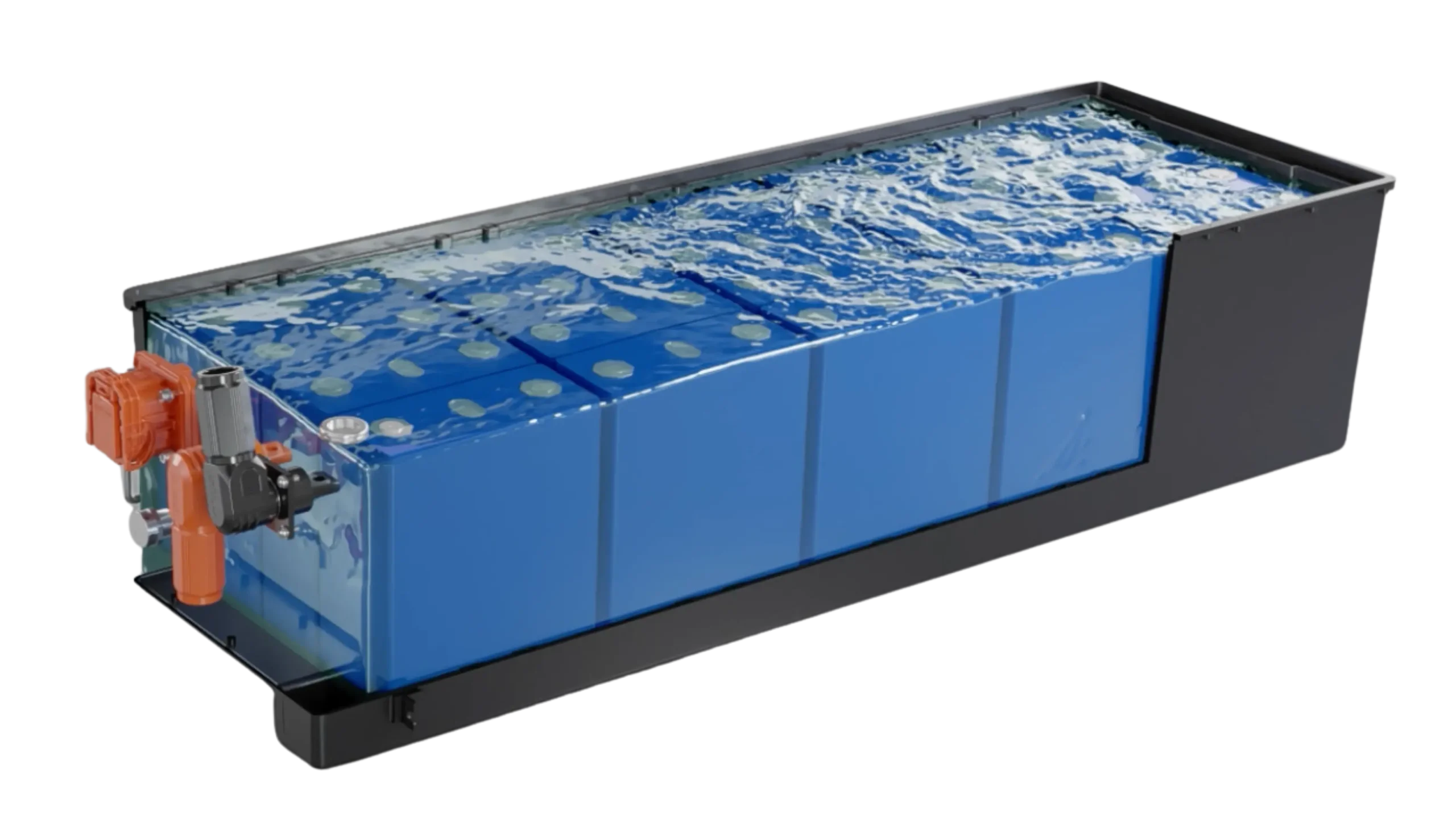
A battery is a consumable that degrades with temperature, and thermal management decides whether the asset can keep working over the long term. A cold plate touches only one face, so cells at the inlet and the outlet differ in temperature. Immersion carries heat away from all six faces at once, for a smaller temperature difference.
APPLICATIONS

PROCESS
Peak, off-peak, and critical loads.
Land, fire safety, and insurance.
Align capacity with existing facilities.
Installation, testing, and acceptance.
EMS and predictive maintenance.
Tell us about the site and how electricity is used, and we will help assess the most suitable capacity and configuration.